An analysis of global geotechnical regulations and the critical role of instrumentation in construction safety. Through international standards and case studies like the Nicoll Highway collapse, this article explores how independent monitoring and strict compliance provide the early warnings necessary to prevent catastrophic structural failures. Find more about the Geotechnical instrumentation for construction sector course.
- REGULATORY CONTROL – INTERNATIONAL
United States: The Federal Highway Administration (FHWA) in the U.S. has guidelines and requirements for geotechnical instrumentation in construction projects, particularly for transportation infrastructure such as highways, bridges, and tunnels4. These guidelines provide detailed information on the types of instrumentation to be used, installation methods, monitoring frequency, and data reporting.
United Kingdom: The United Kingdom has regulatory requirements for geotechnical instrumentation in construction work, governed by organizations such as the British Standards Institution (BSI) and the Institution of Civil Engineers (ICE). These requirements provide guidelines for the use of instrumentation in construction projects, including monitoring of soil and rock behavior, settlement, and pore water pressure.
European Union (EU): The EU has regulatory requirements for geotechnical instrumentation in construction projects, which are outlined in various standards and guidelines. These requirements provide guidance on the use of instrumentation for monitoring soil and rock behavior, settlement, and other geotechnical parameters9.
2. REGULATORY CONTROL – APA
Singapore: Singapore is a highly developed island city-state known for its modern infrastructure and construction excellence. The Building and Construction Authority (BCA) in Singapore has regulations and guidelines for geotechnical instrumentation in construction projects, including requirements for monitoring of soil and rock behavior, ground settlement, and slope stability.
Hong Kong: Hong Kong is a Special Administrative Region (SAR) of China known for its skyscrapers and high-density urban development. The Geotechnical Engineering Office (GEO) under the Hong Kong Special Administrative Region Government has regulations and guidelines for geotechnical instrumentation in construction projects, including requirements for ground investigation, monitoring, and reporting.
Japan: Japan is known for its advanced technology and construction practices, particularly in earthquake-prone regions. The Japanese Geotechnical Society (JGS) and the Ministry of Land, Infrastructure, Transport and Tourism (MLIT) have regulations and guidelines for geotechnical instrumentation in construction projects, with a focus on earthquake-resistant design, ground improvement, and slope stability.
3. CONSEQUENCES FOR FAILURE TO COMPLY
Failure to comply with regulatory requirements for geotechnical instrumentation in construction work can have various consequences, depending on the specific regulations and the severity of the non-compliance. Potential consequences may include:
Legal and Regulatory Penalties: Non-compliance with regulatory requirements may result in fines, penalties, or legal consequences imposed by the relevant regulatory authorities. These penalties can vary in severity depending on the jurisdiction and the nature of the violation.
Safety Risks: Geotechnical instrumentation plays a crucial role in ensuring the safety of construction projects by monitoring ground movement, slope stability, and other factors. Failure to comply with regulatory requirements may result in increased safety risks, potentially leading to accidents, injuries, or even fatalities.
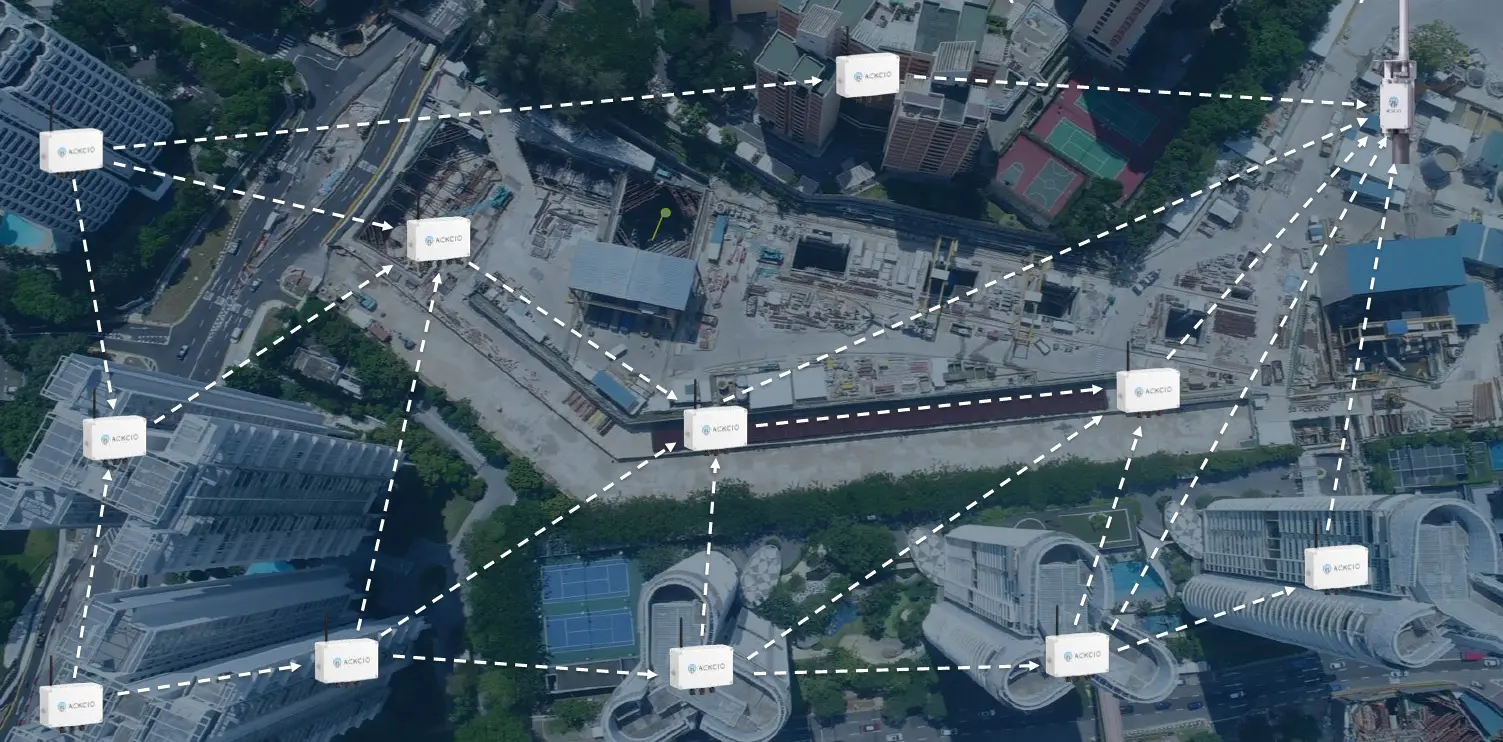
Poor Project Performance: Geotechnical instrumentation helps in evaluating the performance of construction elements, such as foundations, retaining walls, and slopes. Failure to comply with regulatory requirements may result in poor performance of these elements, leading to reduced structural integrity, reduced functionality, or premature failure.
Reputational Damage: Non-compliance with regulatory requirements can result in reputational damage for construction companies, contractors, and project owners. This can impact future business opportunities, relationships with stakeholders, and overall industry reputation.
Legal Liability: Failure to comply with regulatory requirements may result in legal liability for construction companies, contractors, and project owners. This can include lawsuits, claims, or legal disputes related to construction defects, property damage, or personal injuries.
Refer to example of major construction accidents worldwide below:
Collapse of the Hyatt Regency walkway in Kansas City, United States (1981): The collapse of the suspended walkways at the Hyatt Regency hotel during a tea dance event resulted in 114 deaths and over 200 injuries. The failure was attributed to a design change that compromised the structural integrity of the walkway.
Collapse of the Rana Plaza building in Dhaka, Bangladesh (2013): The collapse of the eight-story Rana Plaza building, which housed garment factories, resulted in over 1,100 deaths and numerous injuries. The failure was attributed to poor construction practices, substandard materials, and structural overload36.
Fukushima Daiichi nuclear disaster in Fukushima, Japan (2011): The Fukushima Daiichi nuclear disaster was triggered by a magnitude 9.0 earthquake and tsunami, resulting in meltdowns, explosions, and releases of radioactive materials. The failure was attributed to inadequate design, poor disaster preparedness, and inadequate safety measures.
Collapse of the Morandi Bridge in Genoa, Italy (2018): The collapse of the Morandi Bridge resulted in 43 deaths and extensive damage. The failure was attributed to design deficiencies, lack of maintenance, and corrosion of steel components.
Collapse of Nicoll Highway in Singapore (2004): The collapse of Nicoll Highway resulted in a 30-metre (98 ft) deep cave-in that spread across six lanes of Nicoll Highway. The collapse killed four people and injured three. The failure was attributed to a combination of factors, including design errors, inadequate construction practices, and unforeseen ground conditions.
What can geotechnical instrumentation help? Early warning to reduce fatality rate and to have suffice time for contingency/remedy actions that could prevent the accidents.
5. CASE STUDIES 1: Nicoll Highway Collapse
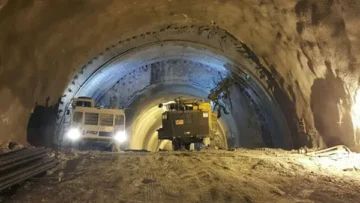
The Nicoll Highway collapse was a construction accident that occurred on 20 April 2004 in Singapore when a tunnel being constructed for use by MRT trains collapsed46. The tunnel was part of the construction of the underground Circle Line, near Nicoll Highway Station. The supporting structure for the deep excavation work failed during construction, resulting in a 30-metre (98 ft) deep cave-in that spread across six lanes of Nicoll Highway. The collapse killed four people and injured three.
Telltale Signs and Lessons Learnt:
-
Wall deflection was more than 400 millimeters, which did not appear to be alarming to the project parties.
-
There were signs that the strutting system was under distress, manifested by stiffener plates buckling and kingposts deformed beyond vertical alignment.
-
In C824, the immense pressures of cost and time impelled the builder to take unnecessary risks, even to the extent of not stopping work in the face of warning signs, hoping to complete the work quickly.
-
This mindset to rush work and complete work to achieve safety is a dangerous fallacy54. The more secure way would be to cease work and strengthen the weak areas to ensure safety and stability.
6. KEY REGULATORY CHANGES
-
A proper reporting structure and regulatory requirement to comply.
- Instrumentation Contractor to be appointed independently by project owner to eliminate the conflict-of-interest issue under Civil Builder.
- Both Instrumentation Contractor and Civil Builder are supervised under Qualified Person (Supervision) team to ensure the compliance of procedures.
-
Stringent Stop Work Procedure to pulse the construction activities for verification and mitigation actions.
-
Qualified Person (Supervision) act as eyes of BCA to receive report of instrumentation breaching or non-compliance of construction activities.
7. CASE STUDIES 2: Clementi Slope Failure
The Clementi Slope Failure was an incident that occurred on 2 September 2022 in Singapore where a slope near a housing apartment construction failed. The slope failure completely blocked the flow of the Ulu Pandan Canal. The collapse injured one park goer. Initial investigation find the frequent rains are the major cause for the collapse.
Observation: Based on understanding of HDB project where no deep excavation, geotechnical instrumentation only limited to the perimeter of the site which no instrumentation on slopes are highly likely. As additional surcharge and long-term construction activities near the slope might weaken the slope, coupled with raining seasons that liquidized the soil movement at slope failure envelope, as no instrumentation such as inclinometer, piezometer, settlement monitoring at the top and bottom of slope, no early warning triggered.